team events
The 2026 Guide to Corporate Team Building
Somewhere around 2015, "team building" became a punchline. Mention it in a meeting and you could watch the energy leave the room. People pictured trust falls, awkward icebreakers, and a facilitator in khakis asking them to build a bridge out of spaghetti.
That version of team building deserved to die. And it mostly has.
What's replaced it is more interesting, more effective, and in most cases, more fun. But it looks nothing like what most companies expect when they Google "corporate team building activities."
The shift from structured to organic
The biggest change in team building over the past few years is the move away from forced, structured activities toward creating conditions for organic connection.
Old model: hire a facilitator, run a two-hour program, check the "team building" box, move on. The activity was the point. Whether people actually bonded was secondary to completing the exercise.
New model: put people in a situation where they'll naturally interact, talk, and share experiences. The activity is the vehicle, not the destination.
A group cooking class works not because learning to make risotto builds teamwork skills. It works because people stand next to each other, share counter space, make mistakes, laugh, and have something to eat together at the end. The teamwork happens in the gaps between the instructions.
The best team building activities in 2026 don't feel like team building. They feel like doing something fun with people you work with. If your team would enjoy the activity even without the "team building" label, you've picked the right one.
What's working right now
I've coordinated or attended over 200 team events in the past two years. Here's what consistently gets the highest satisfaction scores and repeat requests.
Cooking classes and food experiences. This category dominates. Pasta making, sushi rolling, BBQ workshops, cocktail classes, and group dinners at chef's tables. Food is universal. The act of making something together and then eating it creates a bond that trust exercises never could. Groups of 8 to 30 work best for hands-on cooking. Larger groups do well with competitive cooking formats where teams prepare different courses.
Adventure activities with a low bar. Escape rooms remain popular because they're accessible. You don't need athletic ability, just willingness to think and communicate. Axe throwing has been trending for two years and shows no sign of slowing down. Go-kart racing is a hit with competitive teams. These work because they create shared memories and inside jokes, which is what bonding actually is.
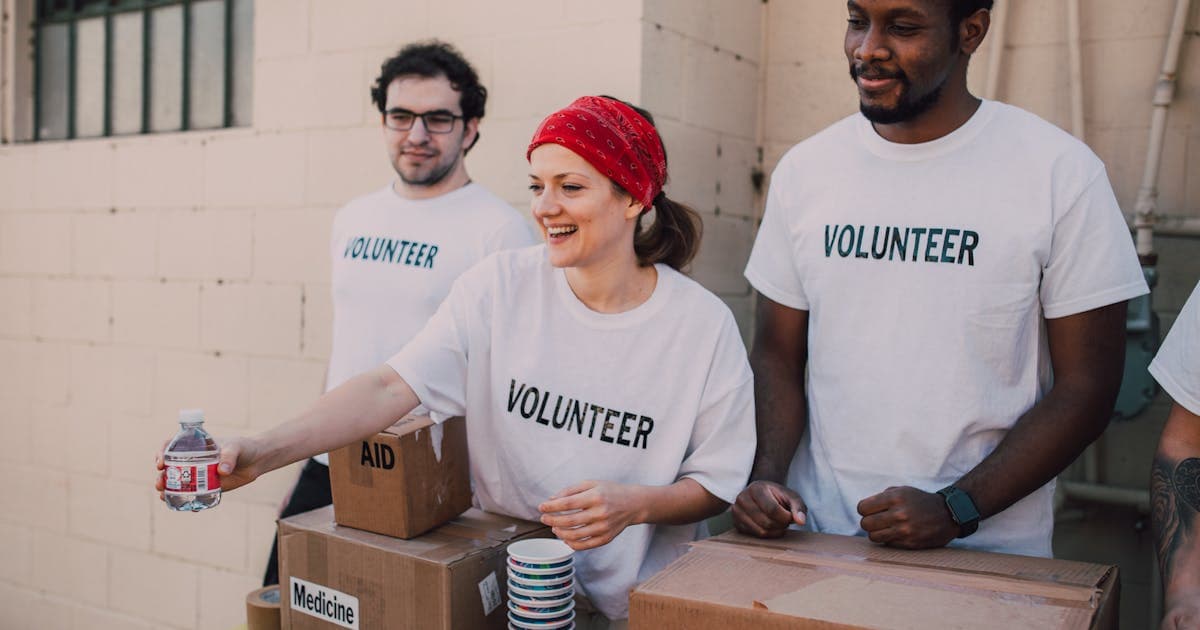
Volunteer experiences. Building houses, packing meals at food banks, cleaning up parks. Teams that volunteer together report stronger connections than teams that do recreational activities, according to a 2025 Deloitte study. The shared sense of purpose adds a dimension that purely social events don't reach.
Creative workshops. Pottery, painting, candle-making, leather working. These have exploded in popularity since 2024. They work for the same reason cooking classes work: people are focused on making something, which makes conversation feel natural instead of forced.
73%
of employees prefer 'experience-based' team building over traditional structured programs (Gallup 2025)
What's not working
Full-day offsites with no clear purpose. Pulling the team out of the office for eight hours signals that something important is happening. If the day is filled with icebreakers and trust exercises, people feel like their time was wasted. Full-day events need to mix real work (strategy sessions, planning workshops) with social activities to justify the time investment.
Competitive activities that create losers. Some competition is healthy. But events where one team wins decisively and everyone else feels like they failed can damage the relationships they're supposed to build. Avoid elimination-style formats. Cooperative challenges with a bit of friendly competition work better.
Anything mandatory. The word "mandatory" kills the mood before the event starts. Make attendance strongly encouraged but genuinely optional. Ironically, making events optional usually increases attendance because people feel they're choosing to be there rather than being herded.
Generic "fun day" activities. Laser tag, bowling, and mini golf aren't bad activities. But when they're the default choice every quarter because nobody thought hard about alternatives, they start to feel like an obligation. Variety matters. Rotate through different types of activities so each one feels fresh.
Building a team building program, not just events
Single events are nice. A program is transformative.
The difference: a program has a rhythm (monthly casual plus quarterly significant), a variety of formats (social, adventurous, creative, service), a rotation of planning responsibility, and a feedback loop that shapes future events based on what the team actually enjoyed.
Companies with a defined team building program see 40% higher participation rates than companies that plan events ad-hoc. The regularity creates expectation. People block the dates. They start looking forward to what's next.
Structure your program around the seasons. Winter is for indoor activities: cooking, escape rooms, creative workshops. Spring opens up outdoor options: hikes, park days, outdoor dining. Summer is for bigger adventures: boat trips, sporting events, beach days. Fall brings harvest themes: apple picking, brewery tours, Friendsgiving dinners.
We went from random quarterly events to a structured monthly program in 2025. By the end of the year, "team events" was the number two reason new hires gave for choosing our company. Number one was compensation.
— Elena, Culture Lead at a 75-person consulting firm in Boston
The budget conversation
Team building doesn't have to be expensive. The cooking class costing $45 per person builds more connection than the $200-per-person ropes course. A potluck in the park costs nearly nothing and can be as memorable as a catered event at a venue.
Budget by frequency, not by event. Allocate a per-employee monthly amount ($30 to $75 depending on your company size and location) and let planners work within that. Some months will be cheap park hangs. Others will be splurge dinners. The average smooths out.
Track your spending against your outcomes (see our post on measuring event effectiveness). The numbers will justify themselves.
Ready to plan your next team outing?
TeamOutings makes it easy to organize, vote, and book — all in one place.
Try TeamOutings FreeTeam building in 2026 is less about building and more about being together. The companies getting it right have stopped treating it as a box to check and started treating it as a core part of how they operate. Your team already wants to connect. Give them the time, the space, and the budget to do it, and they'll build themselves.
- team building
- guide
- trends